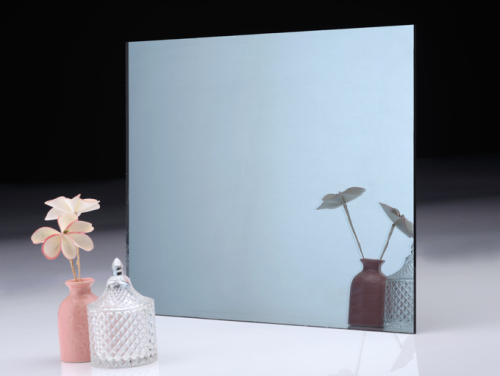
Preparing the Glass Substrate:
The process begins with a high-quality, flat, and clean glass substrate. This glass is carefully inspected for any defects or imperfections, as these can affect the mirror's final quality.
The glass is thoroughly cleaned to remove any contaminants, such as dust, oils, or fingerprints. This step is crucial to ensure proper adhesion of the reflective coating.
A thin layer of aluminum is deposited onto one side of the glass. This is typically done using a process called vacuum deposition. In this process, aluminum is vaporized in a vacuum chamber, and then it condenses onto the glass surface, creating a reflective layer.
Protective Coating:
To protect the aluminum layer from oxidation and damage, a protective coating is applied on top of it. This coating is usually made of a clear or tinted paint or lacquer.
Quality Control:
The mirror undergoes rigorous quality control checks to ensure that it meets optical and cosmetic standards. This includes checking for any defects, such as bubbles or imperfections in the coating.
Cutting and Shaping:
Once the clear aluminum mirror is deemed suitable, it can be cut and shaped to the desired dimensions for its intended application. This may involve cutting it into specific sizes for windows, screens, or mirror sets.
Mounting and Installation:
The clear aluminum mirror is mounted or installed according to its application. For example, in the case of Clear Aluminum Mirror Windows, the mirror is fitted into window frames. For Clear Aluminum Mirror Sets, multiple mirrors may be arranged in a decorative or functional manner.
Final Inspection:
A final inspection is conducted to ensure that the mirror is free of defects, has the desired reflective quality, and meets all specifications.